Occupational Inheritance: No
Nationality: US
Social Class: Upper-middle; father president of NY Rubber Company
Race/Ethnicity/Religion
Family: father committed suicide when he was 18
Education:
Training:
Teacher/Inspirational Figure:
Radio Debut:
TV Debut:
Stage Debut:
Broadway Debut:
Film Debut: So This Is College (also 1929); age 21
Breakthrough Role: Night Must Fall, 1937; aged 33
Oscar Role:
Other Noms: 2, Night Must Fall, 1937; Here Comes Mr. Jordan, 1941
Other Awards: Tony, 1955
Frequent Collaborator:
Screen Image: lead actor
Director: Lady in the Lake, noir, Ride the Pin Horse, plus 2
Last Film: 1960, also directed; before that 1 film in 1950
Career Output: about 70
Film Career Span: 1929-1950
Marriage: 3, including actresses
Politics: Republican
Death: 1981; age 77
Robert Montgomery (born Henry Montgomery Jr.; May 21, 1904–September 27, 1981) was an American film and television actor, director, and producer. He began his acting career on stage, but was soon hired by MGM. Initially assigned roles in comedies, he was able to handle dramatic ones as well.
He appeared in a variety of roles, such as a weak-willed prisoner in The Big House (1930), an Irish handyman in Night Must Fall (1937) and a boxer mistakenly sent to Heaven in Here Comes Mr. Jordan (1941). The last two earned him nominations for the Best Actor Oscar.
During World War II, he drove ambulances in France until the Dunkirk evacuation. When the US entered the war on December 8, 1941, he enlisted in the Navy, and was present at the invasion at Normandy. After the war, he returned to Hollywood, where he worked in both films and, later, in television. He was also the father of actress Elizabeth Montgomery.
Henry Montgomery Jr. was born in Fishkill Landing, New York (now Beacon, New York), to Henry Montgomery and his wife, Mary Weed Montgomery (née Barney). His early childhood was privileged, his father was president of the New York Rubber Company. His father committed suicide in 1922 by jumping off the Brooklyn Bridge, and the family’s fortune was gone.
According to Tommy Welchel in True Stories of the Miracles of Azuza Street and Beyond, was miraculously healed of a traumatic head-face injury. He was five years old at the time of healing, and the fall -down a staircase onto a concrete floor- had happened when he was about two and a half years old. At the Azusa Street Revival, he was fully restored from disfigurement after being prayed over.
Montgomery settled in New York City to try his hand at writing and acting. He established a stage career, and became popular enough to turn down an offer to appear opposite Vilma Bánky in the film This Is Heaven (1929).
Sharing a stage with George Cukor gave him an entry to Hollywood and a contract with MGM, where he debuted in So This Is College (also 1929). One writer claimed that Montgomery was able to establish himself because he “proceeded with confidence, agreeable with everyone, eager and willing to take suggestions.
During the production of So This Is College, Montgomery learned from crew members from several departments, including sound crew, electricians, set designers, camera crew, and film editors. He later confessed, “it showed him that making a motion picture is a great co-operative project.” So This Is College gained him attention as Hollywood’s latest newcomer, and he was put in one production after another, his popularity growing steadily.
Montgomery initially played exclusively in comedy roles; his first dramatic role was in The Big House (1930). MGM was initially reluctant to assign him the role, until “his earnestness, and his convincing arguments, with demonstrations of how he would play the character” won him the assignment. After The Big House, he was in constant demand. He appeared as Garbo’s romantic interest in Inspiration (1930).
Norma Shearer chose him to star opposite her in The Divorcee (1930), Strangers May Kiss (1931), and Private Lives (1931), which led him to stardom.
In 1932, Montgomery starred opposite Tallulah Bankhead in Faithless, though the film was not a success.
Montgomery appeared in the original pre-Code film of When Ladies Meet (1933), which starred Ann Harding and Myrna Loy.
In 1935, Montgomery became president of the Screen Actors Guild, and was elected again in 1946.
Montgomery played a psychopathic murderer in the thriller Night Must Fall (1937), for which he was nominated for the Best Actor.
After World War II began in Europe in September 1939, and while the US was still officially neutral, Montgomery enlisted in London for the American Field Service and drove ambulances in France until the Dunkirk evacuation. He then returned to Hollywood and addressed a massive rally on the MGM lot for the American Red Cross in July 1940.
Montgomery returned to playing light comedy roles, such as Hitchcock’s Mr. & Mrs. Smith (1941) with Carole Lombard.
He continued his search for dramatic roles. For his role as Joe Pendleton, a boxer and pilot in Here Comes Mr. Jordan (1941), Montgomery was nominated for a second Best Actor Oscar.
After the U.S. entered World War II in December 1941, he joined the Navy, rising to the rank of lieutenant commander, and served on the USS Barton (DD-722) which was part of the D-Day invasion on June 6, 1944.
In 1945, Montgomery returned to Hollywood, making his uncredited directing debut with They Were Expendable, where he directed some of the PT boat scenes when director John Ford was unable to work for health reasons.
Montgomery’s first credited film as director and his final film for MGM was the film noir Lady in the Lake (1947), adapted from Raymond Chandler’s detective novel, in which he starred as Chandler’s most famous character, Phillip Marlowe. It was filmed entirely from Marlowe’s vantage point; Montgomery only appeared on camera a few times, three times in a mirror reflection.
He also directed and starred in Ride the Pink Horse (1947), also a film noir.
Active in Republican politics and concerned about communist influence in the entertainment industry, Montgomery was a friendly witness before the House Un-American Activities Committee in 1947.
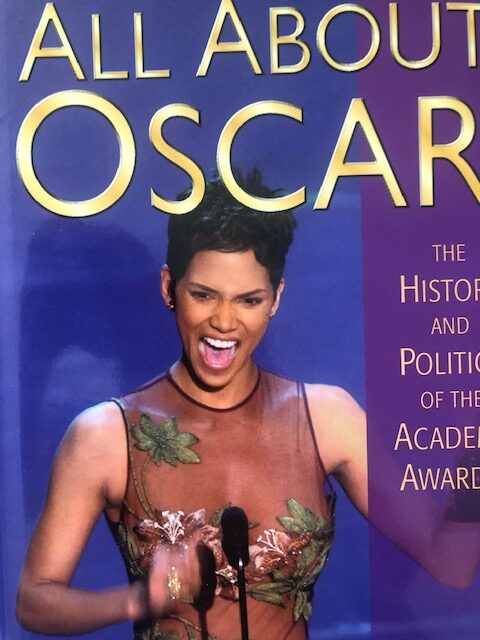
The next year, 1948, Montgomery hosted the Academy Awards.
He hosted an Emmy Award-winning TV series, Robert Montgomery Presents, which ran from 1950 to 1957. The Gallant Hours (1960), a film Montgomery directed and co-produced with its star, his friend James Cagney, was the last film or television production with which he was connected in any capacity, as actor, director, or producer.
In 1955, Montgomery was awarded a Tony Award for his direction of The Desperate Hours.
In 1954, Montgomery took unpaid position as consultant and coach to President Dwight D. Eisenhower, advising him on how to look his best in his television appearances before the nation. A pioneering media consultant, Montgomery had an office in the White House beginning in 1954.
Montgomery has two stars on the Hollywood Walk of Fame, one for movies at 6440 Hollywood Boulevard, and another for television at 1631 Vine Street.
On April 14, 1928, Montgomery married actress Elizabeth Bryan Allen (December 26, 1904 – June 28, 1992), sister of Martha-Bryan Allen. The couple had 3 children: Martha Bryan, who died at 14 months of age in 1931; Elizabeth (April 15, 1933 – May 18, 1995); and Robert Jr. (January 6, 1936 – February 7, 2000). They divorced on December 5, 1950.
His second wife was Elizabeth “Buffy” Grant Harkness (1909-2003), whom he married on December 9, 1950, four days after his divorce from Allen was finalized.
Montgomery died of cancer on September 27, 1981, at Columbia-Presbyterian Hospital in Manhattan. His body was cremated and the ashes were given to the family. His two surviving children, Elizabeth and Robert Montgomery Jr., both died of cancer, as well.
Filmography
1929 The Single Standard Extra Uncredited
1929 Three Live Ghosts William Foster
1929 So This Is College Biff
1929 Untamed Andy McAllister
1929 Their Own Desire John Douglas Cheever
1930s: 43
1930 Free and Easy Larry
1930 The Divorcee Don
1930 The Big House Kent Marlowe
1930 The Sins of the Children Nick Higginson
1930 Our Blushing Brides Tony Jardine
1930 Love in the Rough Jack Kelly
1930 War Nurse Lt. Wally O’Brien
1931 Inspiration André Montell
1931 The Easiest Way Jack “Johnny” Madison
1931 Strangers May Kiss Steve
1931 Shipmates John Paul Jones
1931 The Man in Possession Raymond Dabney
1931 Private Lives Elyot Chase
1932 Lovers Courageous Willie Smith
1932 But the Flesh Is Weak Max Clement
1932 Letty Lynton Hale Darrow
1932 Blondie of the Follies Larry Belmont
1932 Faithless William “Bill” Wade
1933 Hell Below Lieut. Thomas Knowlton, USN
1933 Made on Broadway Jeff Bidwell
1933 When Ladies Meet Jimmie Lee
1933 Another Language Victor Hallam
1933 Night Flight Auguste Pellerin
1934 This Side of Heaven Actor on screen in theatre Uncredited cameo
1934 Fugitive Lovers Paul Porter, aka Stephen Blaine
1934 The Mystery of Mr. X Nicholas Revel
1934 Riptide Tommie Trent
1934 Hide-Out Jonathan “Lucky” Wilson
1934 Forsaking All Others Dillon “Dill”/”Dilly” Todd
1935 Biography of a Bachelor Girl Richard “Dickie” Kurt
1935 Vanessa: Her Love Story Benjamin Herries
1935 No More Ladies Sheridan Warren
1936 Petticoat Fever Dascom Dinsmore
1936 Trouble for Two Prince Florizel Alternative title: The Suicide Club
1936 Piccadilly Jim James “Piccadilly Jim” Crocker Jr.
1937 The Last of Mrs. Cheyney Lord Arthur Dilling
1937 Night Must Fall Danny Nominated–Best Actor
1937 Ever Since Eve Freddie Matthews
1937 Live, Love and Learn Bob Graham
1938 The First Hundred Years David Conway
1938 Yellow Jack John O’Hara
1938 Three Loves Has Nancy Malcolm “Mal” Niles
1939 Fast and Loose Joel Sloane
1940s: 14
1940 The Earl of Chicago Robert Kilmount
1940 Busman’s Honeymoon Lord Peter Wimsey (aka Haunted Honeymoon)
1940 The Door with Seven Locks Craig the butler (aka Chamber of Horrors)
1941 Mr. & Mrs. Smith David Smith
1941 Rage in Heaven Philip Monrell
1941 Here Comes Mr. Jordan Joe Pendleton Nominated–Best Actor
1941 Unfinished Business Tommy Duncan
1945 They Were Expendable Lt. John Brickley; Also directed during illness of John Ford (uncredited)
1947 Lady in the Lake Phillip Marlowe Also directed
1947 Ride the Pink Horse Lucky Gagin Also directed
1948 The Saxon Charm Matt Saxon
1948 June Bride Carey Jackson
1949 Poet’s Pub Dancer Uncredited
1949 Once More, My Darling Collier “Collie” Laing Also directed
1950: 2
1950 Your Witness Adam Heyward, Also directed
1960 The Gallant Hours Narrator, Also directed