Rise of Independent Films, Financial Limitations, Importance of Festivals
The producers discussed the changing film industry in a panel: challenges of producing and how independent films are evolving.
Producers don’t play just one role in the filmmaking process. Apoorva Charan (“Take Me Home”) began shared what the job entails, reading scripts, seeking talent, raising financing, hiring crew, strategizing distribution and supervising production and budgets.
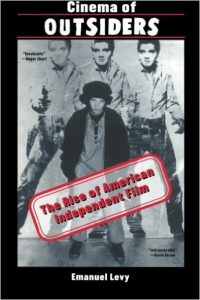
My Indie Book
Producers are partners to the directors, Emily Korteweg (“Splitsville,” “The Last Fix”) said, and it’s the two of them who see the bigger vision of the film.
“To produce, you kind of need to know and understand all aspects of production, from soup to nuts,” said Matthew Miller (“Tony,” “BlackBerry”). “You’re basically getting a group of people together and making something out of nothing, and you’re generally the first person to show belief in this filmmaker, in this script, in this idea.”
Overseeing the filmmaking process includes tackling several challenges, and it’s important to keep an open mind, Charan said. While working on “Take Me Home,” Charan shared they would come up with scenes and rewrite the script on the same day of filming, so relying on a set routine and expectations would hinder the process.
One of the hurdles Stephanie Roush faced during “Union County” was getting access to courtroom and shooting during real sessions. Miller shared that creating the biopic “Tony” was challenging, as they had to go through Anthony Bourdain’s estate.
All the panelists shared one key struggle: finances. This challenge was especially prevalent for independent films, where producers are facing a “fearful marketplace.” Films like “Obsession” do incredibly well, but people don’t fully acknowledge they are made completely independently, Korteweg said.
“Now, financiers might say, ‘Well, why can’t you do it for less and have the same result?’ It’s not how it works,” she said.
There are new financiers popping up, but only if you know where to look. When searching for people to financially back her films, Charan will look at the movie and ask herself, “What are the themes? Where can you find your champions? Where are you going to find people who are as invested emotionally and financially in getting this film made?”
Actors can also create value for a film, Roush said, as having a great script can only do so much if there aren’t great performers to bring it to life. These producers look for projects that resonate with audiences, which is also the goal of most independent films.
Indie films have become more popular in recent years, as there’s been a rise in microbudget cinema.
”It’s like we’re all learning simultaneously that we don’t need huge budgets to make something creative and interesting and well-formed,” he said.
The panelists praised original storytelling and finding the right filmmaker to bring it to life, which Roush said is essentially like finding the “diamond in the rough.”
“I think Hollywood has real habit of chasing the shiniest thing in front of them, and the ‘Obsession’ [and] ‘Backrooms’ conversation is really apropos to that,” Roush explained. “The fact of the matter is, if you look at the history of independents, chasing those things is not going to lead to the next hit or the next great filmmaker.”
Independent projects aren’t selling out festivals anymore, and smaller distributors can’t afford these films, Miller shared. The panelists agreed film festivals are incredibly important for producers and the film overall. It’s a place for filmmakers to experience the audience’s reaction to the film and have dialogue with the viewers, which allows them to keep creating films, Charan said.
“Regional festivals serve to create community around filmmaking, and it allows for more people to see a certain movie that they might not see because it doesn’t get distributed,” said Taylor Shung (“Late Fame,” “Materialists,” “Peaked”). “It also empowers regional filmmakers to push their own filmmaking, which is really exciting.”
Festivals also serve as “talent incubators,” which is important for young filmmakers. They offer the earliest forms of validation in their careers, receiving touchpoints of community and validation helps them in having long careers.