Grace Kelly Birthday (Nov 12, 1929 – Sept 14, 1982)
Oscar Scandals: Judy Garland (“A Star Is Born”) Losing to Grace Kelly (“Country Girl”)
In a career spanning three decades, the great Judy Garland had experienced several Oscar defeats.
Of her first nomination, for George Cukor’s 1954 brilliant musical drama, A Star Is Born, in the lead category, biographer Gerold Frank writes: “It was inevitable that Judy be nominated, with almost everyone agreeing she was sure to get it. Though Judy had received a juvenile award for “The Wizard of Oz,” in 1939, this was the real thing, and if it were to come true, what a triumph after everything.”
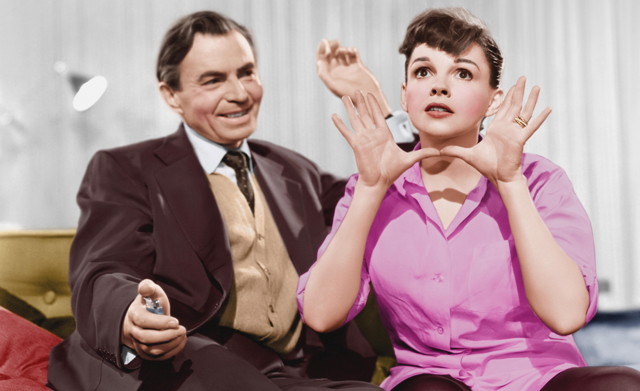
There was—and is—consensus among critics that Garland rendered her most fully realized performance in Star Is Born.
Prior to her nomination, husband-producer Sid Luft went to an analyst, to help him cope with Judy “as the time drew nearer not only to the birth of her third child, but to the resolution of the mounting uncertainty as to whether she would win the Oscar.”
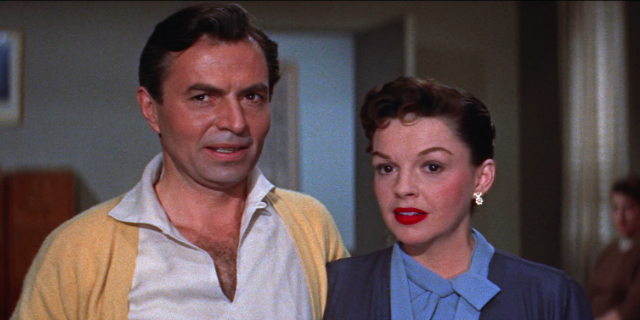
Initially, Garland was determined to attend the Oscar ceremonies. However, unexpectedly, she went into labor and gave birth on March 29, 1955, the night before the Oscar show.
Even so, extensive preparations were made at the hospital, with television cameras in her room. The idea was that if Garland won, she would talk to Bob Hope from her hospital bed.
After she learned of her loss, to Grace Kelly in a mediocre performance for the conventional melodrama The Country Girl, Garland said: “I knew I wouldn’t get it. They wouldn’t give it to me, although I deserved it.”
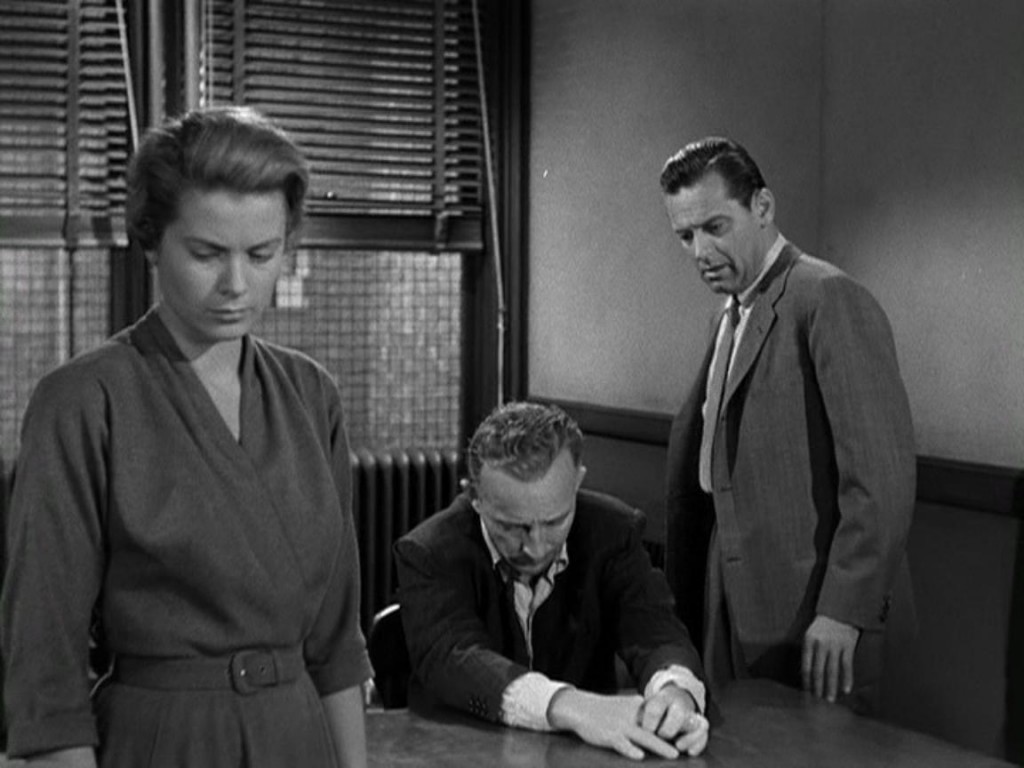
Grace Kelly, 1954 Best Actress, winning for deglamorizing her screen image and playing Bing Crosby’s suffering wife?
Truth to tell, many critics felt that Grace Kelly won the lead Oscar due to the fact that in one year, she made four movies, including two directed by Hitchcock: Rear Window and Dial M for Murder.
Personally, if I were an Oscar voter, I would have rewarded Grace Kelly for Rear Window.
In a short career, spanning only 5 years, Kelly made no less than eleven movies.
Judy’s “consolation” prize was her newborn son, Joey, whom she jokingly labeled “My Private Academy Award.” Close friends said that Garland’s disappointment was profound as she had always wanted to get recognition as a dramatic actress, not just as a musical star. Thus, she accepted what was much more of a disaster to her than everyone knew.
Comedian Groucho Marx sent Garland a consolatory telegram: “Dear Judy. This is the biggest robbery since Brink’s.”
Garland Second Oscar Nomination
In 1961, Judy was again nominated, this time around for the Supporting Actress Oscar for “Judgment at Nuremberg,” directed by Stanley Kramer.
Once again, she lost, this time around to Rita Moreno, who benefited from the sweep factor of the musical West Side Story.