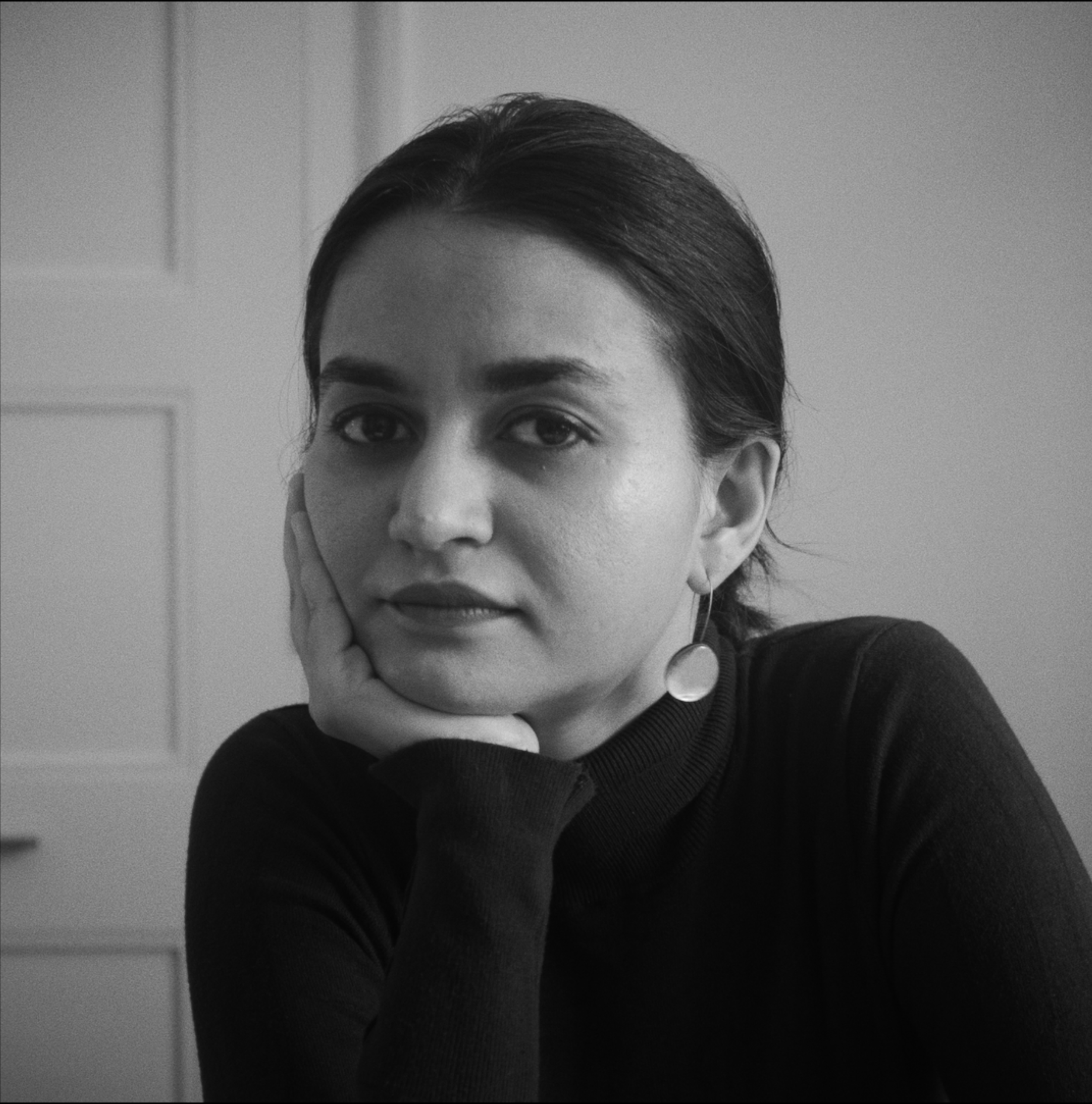
All We Imagine as Light, the first Indian movie to play at the Cannes Film Fest main competition since 1994, is directed by Payal Kapadia.
There’s sadness, humor, and camaraderie in this dramedy, recalling elements in certain films by Satyajit Ray, such as The World of Apu and The Big City, in which small-town folks shift to urban living.
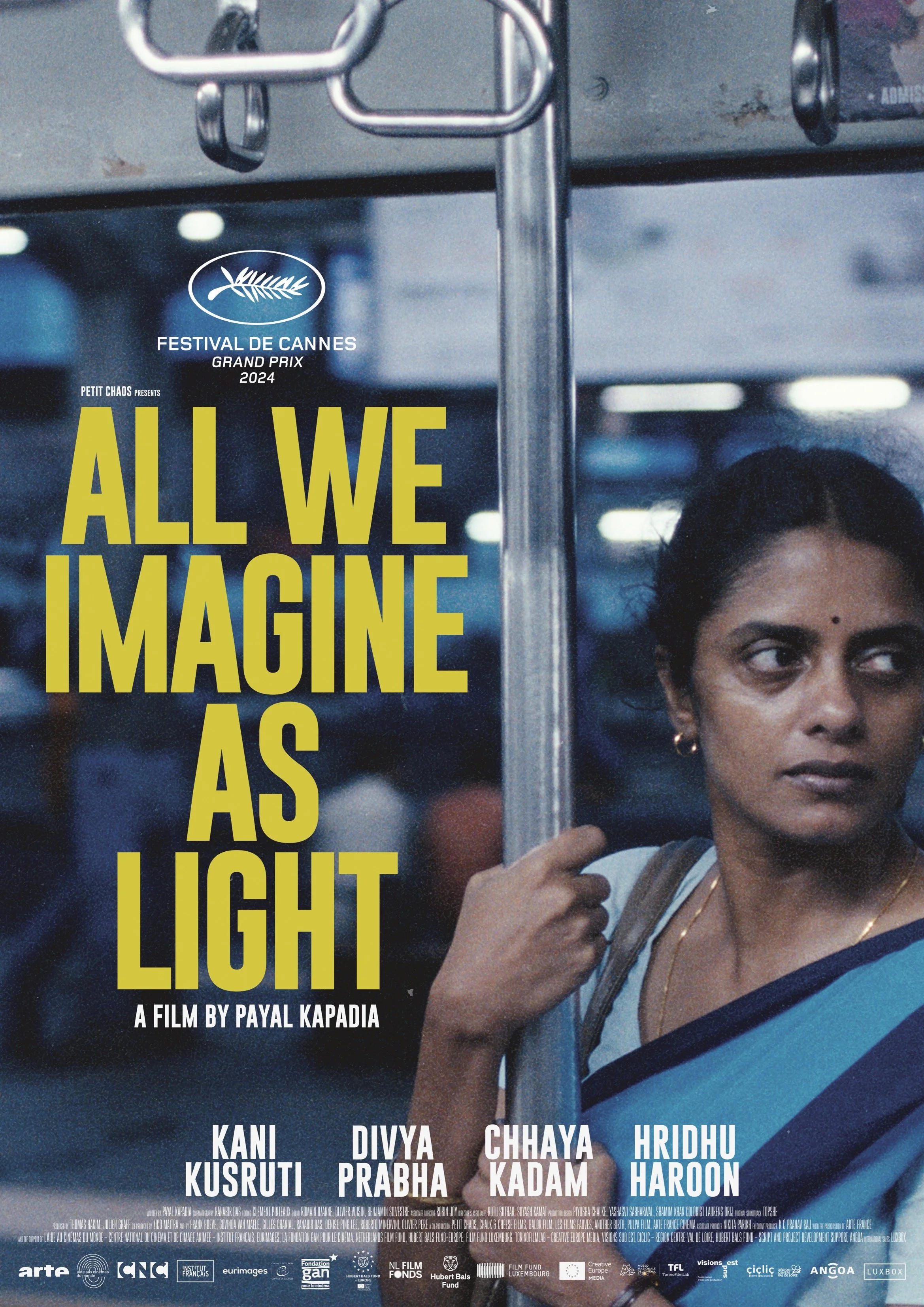
Kapadia’s main thematic concern is the universal yearning for real home, the need to experience ordinary lie, and ending what could be described as precarious living conditions.
Grade: A
The film begins with a documentary-style footage of Mumbai– through voiceovers read out, we hear letters written by transplants to this “city of dreams.”
Kapadia then focuses her drama on three characters, all nurses who have moved to Mumbai from other places.
Prabha (Kani Kusruti) is a conscientious woman who has recently entered an arranged marriage, soon after which her husband leaves her to find work in Germany; over the last year, he has made no effort to reconnect with her.
By contrast, flighty young Anu (Divya Prabha) is in touch with her partner, Shiaz (Hridhu Haroon); their playful text messages appear on the screen. He lives nearby, but being Muslim makes their relationship impossible in modern India.
Parvaty (Chhaya Kadam), a headstrong widow, is the eldest of the three; due to bureaucratic hurdles (lack of proper paperwork), her home will be demolished, thus leaving her with no place to go.

The film finds potent urgency in its “small” and ordinary moments. When Prabha receives new rice cooker from a nameless sender in Germany (her husband?), the complex feelings that surface–pleasure, befuddlement, resentment–are played by Kusruti with expressive restraint.
Kapadia shifts between the caregivers who experience ordinary pleasures, face painful difficulties and, ultimately find comfort and companionship in one another.
In the final act, the film abandons its metropolitan perspective for what could be described as rural mysticism.
After the three friends take a trip to Parvaty’s birth village on the coast, Prabha saves the life of a nearly drowned fisherman (Anand Sami) by performing CPR. It’s a devastating moment that transports the movie from realism to dream-like meditation.
The situations that Kapadia creates for her characters in her delicate story about empathy are precise, tangible, and material.
The cine-literate Kapadia echoes certain Asian filmmakers, but many of her reference points are European.
The opening section, which includes shots from inside a moving train while letters are read on the voiceover, recalls Chantal Akerman’s News from Home (1977).
Kapadia had to look to Europe for financing and development assistance: All We Imagine as Light is a co-production between France, India, the Netherlands and Luxembourg, and the crew is French.
As a result, her film feels formally and aesthetically like a contemporary international product, rather than distinctly Indian.
Kapadia has crafted a portrait of Mumbai and its citizens that is by turns precise and impressionistic, defined by poetic realism and sharp observation. She incorporates images of everyday people milling through the city, and visions that connect her characters to themselves, their surroundings, and to the viewers who watch the movie.
Crew
Director and Screenwriter: Payal Kapadia
Cinematography: Ranabir Das
Editor: Clément Pinteaux
Costume Design: Maxima Basu
Sound: Benjamin Silvestre, Romain Ozanne, Olivier Voisin
Music: Dhritiman Das
Production: Petit Chaos
Coproduction: Chalk & Cheese, Arte France Cinéma, Baldr Film, Another Birth, Les Films Fauves, Pulpa Film
World Sales: Luxbox
Runtime: 115 min
Cast
Kani Kusruti, Divya Prabha, Chhaya Kadam, Hridhu Haroo